


Varicose veins, more commonly known as varicose veins, occur when veins stretch and enlarge, turning blue-purple or red due to the accumulation of large amounts of blood.It is a common disorder that most commonly appears on the legs (most commonly in the calf muscles), but can also occur on other parts of the body.
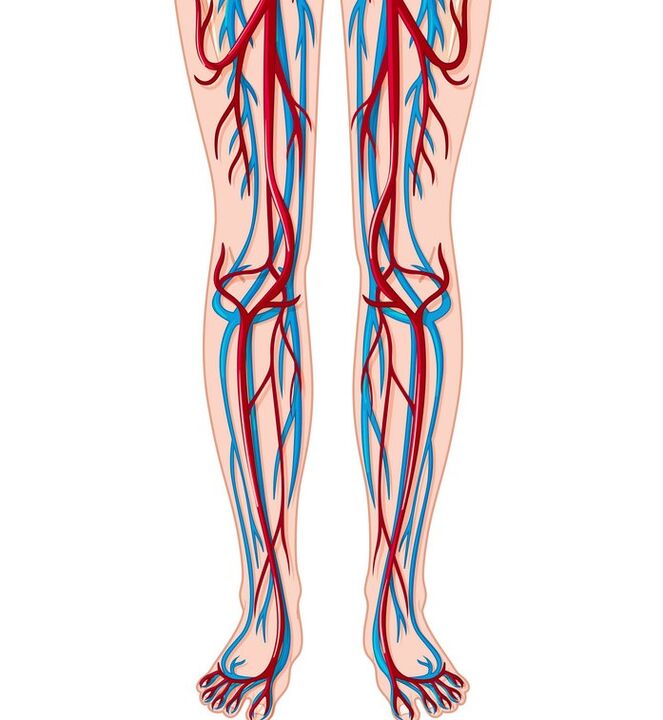
In general, the blood supply to cells, known in a biology course, occurs as follows: from the left ventricle of the heart, oxygenated blood flows through the aorta to the arteries and from there into smaller blood vessels to the capillaries, through which the organs and tissues of the body receive the oxygen and substances they need.Then, with the help of small blood vessels called "venules", the blood is collected in the capillaries and enters larger veins, the task of which is to return the blood to the lungs and the heart in order to be enriched with oxygen and repeat its journey.The mechanism that directs blood to the heart is called the venous pump.
Veins are blood vessels that carry blood from body tissues back to the heart.
Some veins have one-way valves that open to allow blood to flow toward the heart and close to prevent blood from flowing in the opposite direction.
In fact, this is how varicose veins occur: if the valves are damaged and don't block the flow of blood, it builds up in the veins, causing them to swell and stretch, leading to varicose veins.Angiosurgeons claim that varicose veins are a pathological process that results in a change in the vein wall followed by valve insufficiency.
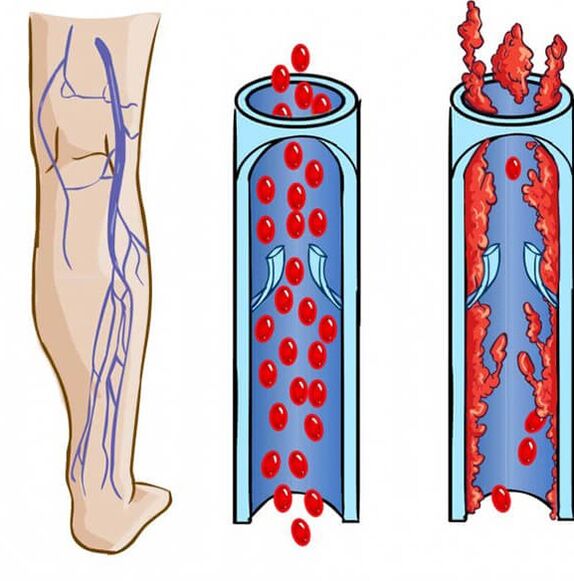
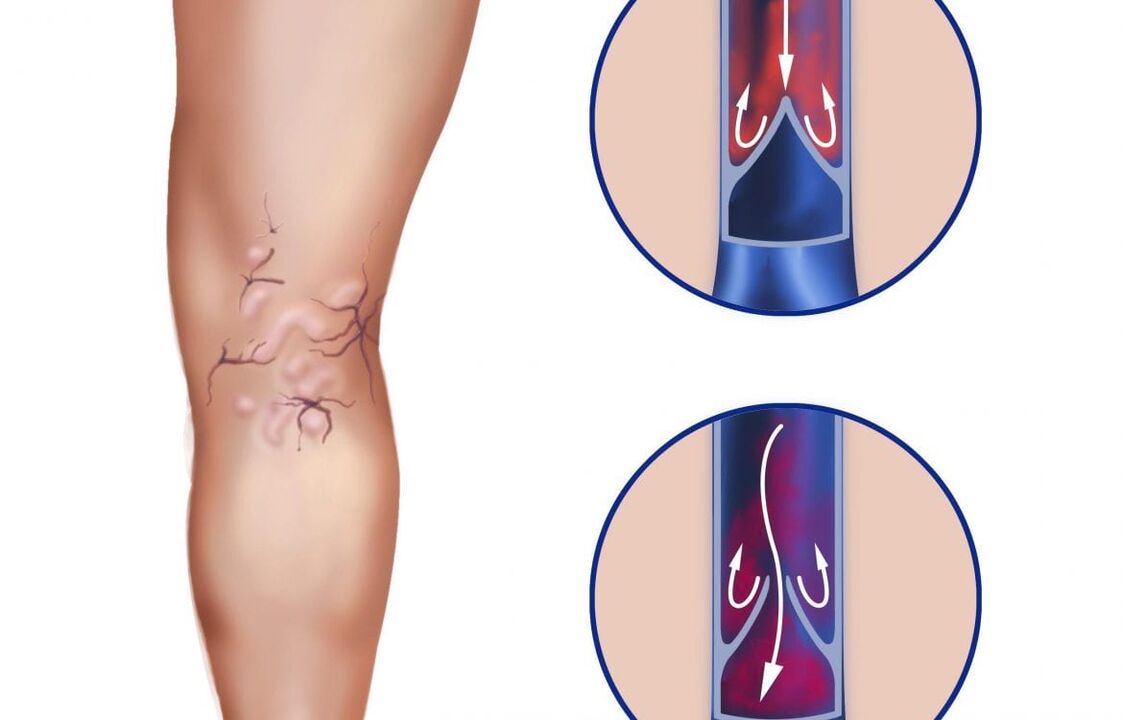
In varicose veins, reverse blood flow (reflux) is created due to valve dysfunction.They do not close the venous cavity, allowing blood to flow in the opposite direction.As a result, an increase in venous blood pressure is created, which violates the integrity of the walls of the veins - they expand and protrude under the skin.
Since varicose veins are a change in the veins, the pathology is considered not only a vascular disease, but also an aesthetic problem.Normal veins and varicose veins - when, due to dysfunction of the valves, reverse blood flow and dilation of the veins occur.
Why are the legs most often affected by varicose veins?
There are 3 types of veins in our legs: superficial veins, which are closest to the skin;deep veins, which are located inside the muscles and connect to the largest vein in our body - the vena cava, leading to the heart;and perforating veins, connecting the superficial and deep veins together.The varicose veins that we see are observed precisely in the superficial veins, located closest to the skin.
When we are in an upright position, the blood in the legs must be directed towards the heart, resisting the force of gravity.To do this, the leg muscles contract and press on the deep veins, pushing blood toward the heart.When the leg muscles contract, the valves inside the veins open, but when the muscles relax, the valves close, blocking blood flow to the feet.
As you may have guessed, varicose veins are most common on the legs because the pressure of gravity, which increases with sitting and standing, has the greatest effect on venous circulation in the lower extremities.
How dangerous are varicose veins?
For most people, varicose veins are primarily a cosmetic problem and, at first glance, do not pose a threat to health.Swollen and unsightly veins can spoil the appearance of certain parts of the body, but in most cases they do not impair blood circulation.It should be noted that if attention is not paid to the fight against varicose veins, their appearance worsens over time and complications may arise.
Causes of varicose veins
A number of factors can increase your risk of varicose veins:
- Factor #1 – heredity.If a member of your family has or had varicose veins, your chances of inheriting them increase.
- Ground.Varicose veins are more common in women than in men.
- Age.As we age, our veins and valves weaken.
- Disruption of blood flow between arteries and veins.
- Hormonal changes.Hormonal changes during pregnancy, the premenstrual period and menopause increase the risk of varicose veins.During pregnancy, the growing fetus puts pressure on the veins in the legs.Varicose veins that appear during this period become less visible 3 to 12 months after the birth of the child.In addition, each subsequent pregnancy increases the risk of varicose veins.
- Overweight or obesity.Excess weight puts a lot of pressure on the veins, which can lead to the appearance of varicose veins.
- Sedentary and standing work and sedentary lifestyle.If you stand or sit for long periods of time, you increase your risk of developing varicose veins.This happens because during prolonged periods of inactivity, it is more difficult for the veins to carry blood to the heart.
Symptoms of the development of varicose veins
Besides the appearance of dark blue or purple bulging veins, here are the main signs of the development of varicose veins:
- Mild swelling of the ankles and feet, especially after prolonged standing.
- Pain, burning and a feeling of heaviness in the legs.
- Leg spasms and throbbing sensation.
- Itchy ankles and lower legs, often misdiagnosed as dry skin.
- Change in skin color in the area where varicose veins develop (appearance of bruising).
How to prevent varicose veins
According to experts from the Department of Surgery at the University of California, the first thing a person can do to prevent varicose veins is to change their lifestyle and instill new habits.Although these same changes will not help get rid of already formed varicose veins, they will reduce the risk of deterioration in their appearance, reduce pain and protect other areas of the veins from the formation of varicose veins.
What should be done to reduce the risk of varicose veins or protect already affected veins from worsening the disease:
- Do not sit or stand in one place for a long time.Try to move at least every 30 minutes.
- When sitting, do not cross one leg over the other.
- If possible, elevate your legs when resting in a sitting or lying position.Try to raise your legs so that they are above the level of your heart.
- Exercise.This will allow your leg muscles to move and circulate blood through your veins more efficiently.
- If you are overweight, try to get back to normal.This will help improve blood circulation and reduce stress on the veins.
- Avoid wearing tight clothing, especially around the waist, hips and legs.
- Don't wear high heels too often or for long periods of time.Low-heeled shoes help keep calf muscles toned, allowing blood to flow more easily through the veins.
- Exercise regularly.This will help improve blood circulation, get rid of extra pounds and maintain a healthy weight.
Complications with varicose veins
According to the Circulation Foundation, although varicose veins deteriorate over time, this process takes a long time.It should also be noted that in some people suffering from varicose veins, high pressure in the veins can lead to damage to the skin in the ankle area and a change in its color, as well as the appearance of white scars.
If left untreated, progressive varicose veins can lead to more serious negative consequences:
- The appearance of ulcers
- Phlebitis
- Bleeding
- Deep vein thrombosis (DVT)
If a person develops eczema (red rash), this can then progress to ulcers which will need to be surgically removed.
Phlebitis is an inflammation of a vein which is often accompanied by thrombosis within the affected vein, which becomes hard but fragile.In most cases, this disorder does not pose a serious health risk, although it is often mistaken for a more serious condition: deep vein thrombosis (DVT).
Many people worry that accidentally hitting a varicose vein will cause bleeding, but this rarely happens.If this happens, the bleeding is stopped by applying a tight gauze bandage and applying ice.A person should lie down so that their legs are higher than their heart and seek medical help without delay so that specialists can perform procedures to reduce the risk of recurrence of bleeding.
Some patients suffering from varicose veins are then confronted with another pathology: deep vein thrombosis.Science isn't sure whether varicose veins directly increase the risk of DVT.Symptoms of DVT include swelling, pain, and skin that is warm to the touch.According to experts from the US National Library of Medicine, deep vein thrombosis mainly affects large veins in the thigh and calf muscles, and it is worth noting that DVT almost always develops in only one leg.
Treatment of varicose veins
Compression therapy
As soon as the first symptoms of varicose veins appear, it is recommended to wear compression clothing.Stockings, tights or leggings apply gentle pressure from the bottom of the leg upwards, reducing blood pooling and swelling.However, the effect is achieved only if you wear them regularly.Although wearing compression stockings will not cure already formed varicose veins, they will help prevent or reduce enlarged veins and other complications.
Additionally, the Society for Vascular Surgery (SVS), in its clinical guidelines for the treatment of patients with varicose veins of the lower extremities and pelvis, notes: "The wearing of stockings is the first therapeutic procedure for patients whose ulcers have been removed as the varicose veins progress.»
Endovenous ablation (radiofrequency or laser)
Endovenous ablation involves the use of laser or radiofrequency therapy to close or remove the varicose vein.The doctor makes a small incision in the skin near the vein and inserts a catheter.After that, a special device is connected to the end of the catheter, with which the catheter is heated and closes or removes the varicose vein (depending on the chosen ablation method).The procedure is performed under local anesthesia and the patient usually goes home the same day.
Endovenous ablation is one of the most effective and safest methods for treating varicose veins.The Society for Vascular Surgery (SVS) recommends this procedure over surgery for the treatment of superficial varicose veins.
Sclerotherapy
This is another gentle method of treating varicose veins.During the procedure, a special substance is injected into the vein affected by varicose veins, which destroys the inner wall of the vein and causes the blood inside to clot.Over time, the vein collapses and disappears.
Surgical method
In advanced cases of varicose veins, more gentle treatment methods will not correct the situation.In this case, the person is referred for surgery in which the superficial vein is surgically removed.The surgical indications are:
- Ulcers or the threat of their appearance,
- Bleeding
- Phlebitis.
The procedure is performed under general anesthesia and the patient is usually sent home the same day.A person may experience pain and discomfort for 2 weeks after surgery.
The Circulation Foundation notes that deep vein thrombosis can sometimes develop after surgery, but the risk of this pathology can be reduced by wearing compression stockings and maintaining a high physical activity of the person.
Varicose veins and training
Moving a lot and exercising moderately are the main assets in the fight against varicose veins.
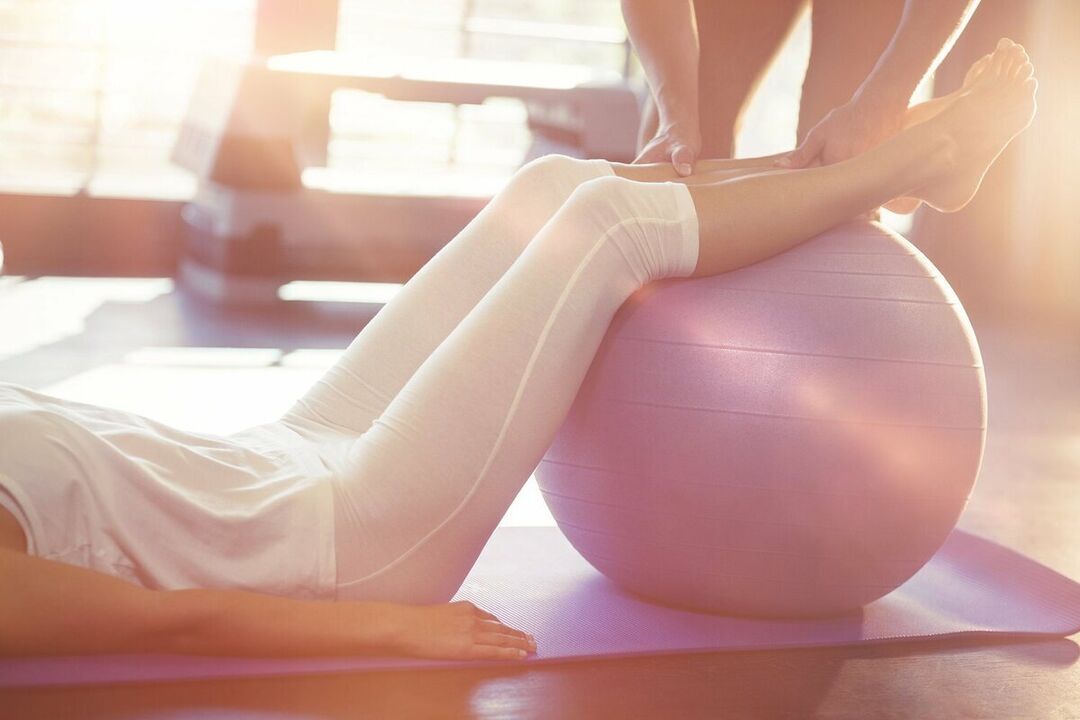
However, while some training methods are beneficial and recommended for the prevention of varicose veins, others can be harmful.
Moderate, rhythmic physical activity (such as walking) contributes positively to preventing the development of varicose veins and minimizing the risk of complications, because dynamic muscle movements help direct blood from the periphery to the heart.
To walk
Walking is one of the best movements to prevent varicose veins and promotes healthy circulation by stretching and contracting the venous pump of the calf muscles.Walk for at least 30 minutes at least 5 times a week.
Low-intensity running
Running at a slow pace works the calf muscles well, but it has a downside: running puts pressure on our joints.If you're not ready to replace running with another activity, run on grass or rubberized paths rather than hard asphalt.
Elliptical and exercise bike
Elliptical and stationary bike workouts actively engage the calf muscles, promoting healthy circulation.Plus, unlike running, these workouts put less strain on your joints.
Strength training
People suffering from varicose veins should avoid excessive training with very intense weights.During prolonged and irregular muscle tension, the leg muscles and respiratory pumps do not contribute to the return of blood to the heart through the veins.For this reason, during training, blood accumulates in the veins of the legs, which can only contribute to the further development of varicose veins.In addition, the increase in intra-abdominal pressure during exercise also hinders blood circulation.
Among the exercises that negatively affect venous circulation, specialists of the Georgia Vein Clinic especially note squats, lunges and sit-ups.
People with varicose veins should train with light weights and perform relatively high repetitions per set without failing.In addition, in order to restore normal blood circulation after completing strength training, it is recommended to pedal an exercise bike or exercise on an elliptical trainer.It is also recommended to wear compression stockings during and after strength training.
Why do veins swell more in summer?
As noted by the specialists of the Venous Center of the name.St. John's and hospital.Saint Joseph Wayne, the veins swell more in summer because, under the influence of high temperature, they expand and fill with more blood, thereby increasing their size.
In order to reduce swelling of veins in summer, you should follow simple recommendations:
- Lubricate your skin with a thick layer of SPF moisturizer.
- If you stay outside for a long time, try to hide in the shade.
- Don't sunbathe for too long.
- Swim regularly.This way you will perform cooling procedures for your body, without giving the veins the opportunity to increase in size.
- Try to wear flat/low-cut shoes and sandals rather than high heels.
- Drink more fluids.
You should not let the situation get worse;you must act immediately.